Industry Knowledge
Security supervisor site visits: a checklist for field supervisors
A security supervisor site visit checklist for guard companies: what to check at the post, how to talk to the officer and the client, and what to record.
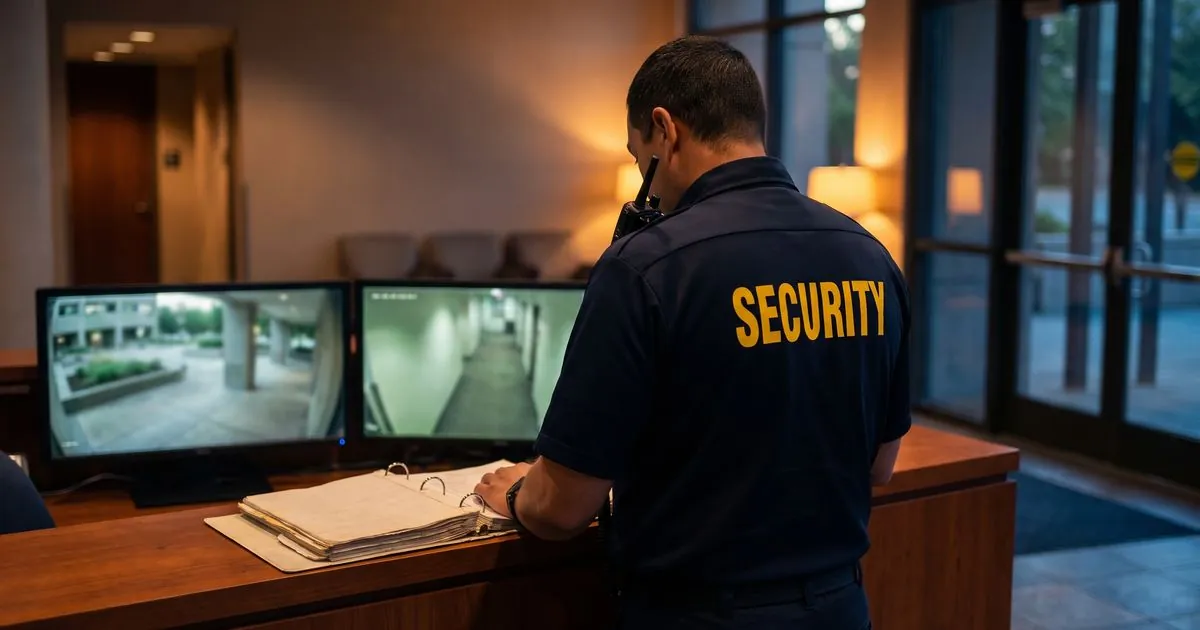
A security supervisor site visit is a short, planned stop at a post to check that the officer is ready, the post orders are followed and the client is happy. Done well and written down, it catches small problems before they cost you the contract. This checklist covers what to look at, who to talk to and what to record.
Key points#
- A site visit checks three things: the officer, the post and the client relationship.
- Visit at different times and on different shifts, including nights and weekends, so every officer is seen.
- Use the same checklist at every site so visits can be compared over time.
- Write up every visit the same day, with what was found and what will be fixed.
- Share the good findings with the client, not only the problems.
Why site visits matter#
Most guard posts run without a manager in sight. The officer works alone, the client sees the officer every day and the office sees only reports. A supervisor visit is often the only time someone from the company sees the post with their own eyes.
That makes the visit useful in three ways. It supports the officer, who gets a chance to raise problems. It checks the work against the post orders. And it shows the client that the company is paying attention.
Clients rarely end a contract over one bad night. They end it after many small problems that nobody seemed to notice. Regular visits are how you notice first.
Plan the visits#
Set a rhythm for every site and keep to it. A busy site with many officers needs more visits than a quiet one with a single post, and a new site needs more visits in its first weeks than one that has run smoothly for a year.
Vary the timing. A visit always at the same hour on the same weekday shows you the same officer on the same shift. Mix in early mornings, nights and weekends, when the office is closed and problems are more likely to go unseen.
Decide ahead of time whether a visit is announced. Announced visits are good for training and for meeting the client. Unannounced visits show you the post as it really runs.
The checklist at the post#
Use the same list at every site so results can be compared.
The officer
- Is the officer at the post, alert and in full uniform?
- Is the license or registration current and on hand where the rules require it?
- Does the officer know the post orders? Ask about one or two points, such as who to call after hours or what to do when an alarm sounds.
- Does the officer have what the post needs: a working radio or phone, keys, a flashlight, the visitor log?
The post
- Are the post orders current, and has the officer read the latest version?
- Are the patrols being done? Compare the recent guard tours with the schedule, and walk part of the route yourself.
- Are the logs and reports filled in, with times and clear wording?
- Are there new risks: a broken light, a door that does not lock, a blocked fire exit, construction next door?
The client
- Is the site contact available for a few minutes?
- Ask what is going well and what is not. Listen more than you talk.
- Ask about any change coming: new tenants, events, longer hours, a holiday closing.
Talk to the officer#
The visit is not only an inspection. Ask the officer how the post is going, what makes the job harder and what they need. Officers on lonely posts often have useful ideas and rarely get asked.
When something is wrong, fix it on the spot if you can, and explain why it matters. Correct in private. Praise in front of the client when the work is good.
If the officer raises a problem with the site, such as a broken gate or an unsafe area, write it down and tell the officer what will happen next. Then follow up.
Talk to the client#
A short, friendly check-in builds trust. Bring something useful: a pattern you noticed in the reports, a risk you saw on the walk or a change you plan to make.
Do not promise what the contract does not cover. If the client asks for more hours or a new post, say you will send a proposal, and do it.
Write it up the same day#
A visit that is not written down did not happen, as far as the client and your own records are concerned. Write up each visit on the day, using the same headings as the checklist:
- the date, time and who you met;
- what was checked and what was found;
- what was fixed on the spot;
- what still needs fixing, by whom and by when;
- anything the client asked for.
A custom report form for site visits keeps every supervisor using the same headings, so you can compare sites and see trends.
Close the loop#
The write-up is only the start. Go back to every open item: the broken light, the missing radio, the officer who needs more training. Check at the next visit that it was done.
Share a short summary with the client. Clients often hear only about problems. A note that says the officers were alert, the patrols were on time and two small issues were fixed builds more trust than a long report. Clients who can see patrols and reports in a client portal already have part of the picture.
Over time, the visit records become a quality history for each site. They help when a contract comes up for renewal, when a client complains and when you train new supervisors.
Common mistakes#
- Visiting only when there is a complaint. Then every visit feels like trouble to the officer and the client.
- Always visiting the day shift. Nights and weekends are where problems hide.
- A different checklist for every supervisor. Results cannot be compared.
- No follow-up. Officers stop raising problems when nothing changes.
- Long write-ups nobody reads. Keep them short and clear.
Frequently asked questions#
What does a security supervisor check on a site visit?#
A supervisor checks the officer (presence, uniform, license, knowledge of the post orders), the post (patrols, logs, reports and new risks) and the client relationship. Using the same checklist at every site lets you compare visits over time.
How often should a supervisor visit a security post?#
It depends on the site. Busy sites, new sites and sites with recent problems need more visits than quiet sites that run smoothly. Vary the times so night and weekend shifts are seen too.
Should site visits be announced?#
Use both. Announced visits are good for training and meeting the client, and unannounced visits show you how the post really runs day to day.
What should go in a site visit report?#
The date and time, who you met, what was checked, what was found, what was fixed on the spot and what still needs fixing, by whom and by when. Write it the same day.
- Supervision
- Operations
- Quality