Industry Knowledge
Security guard uniform policy: what to put in writing for your officers
A security guard uniform policy sets what officers wear, who pays, how gear is returned and what clients can ask for. Here is what to put in writing.
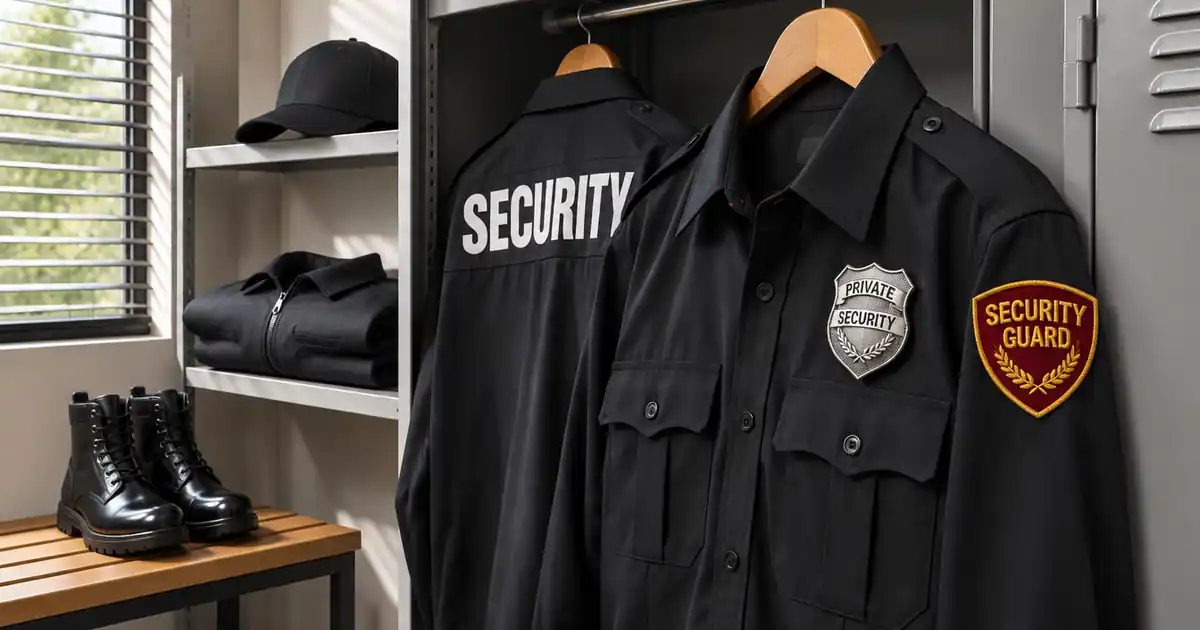
A security guard uniform policy tells every officer what to wear on post, how to look after it and what happens to it when they leave. Written down, it saves arguments at shift change, keeps clients happy and protects the company when gear goes missing. This guide covers what a good policy includes, how to handle client requests and how to roll it out.
Key points#
- A uniform policy should list each item officers wear, by post type, so nobody has to guess what "full uniform" means.
- It should say who supplies and pays for each item and how replacements work, after you check your state's wage and deduction rules with an attorney.
- Appearance standards work best when they are about being neat, visible and safe, applied the same way to every officer.
- A return process with a signed issue record protects the company when an officer leaves.
- Site-specific changes, such as a blazer at a front desk or high-visibility gear at a gate, belong in that site's post orders.
Why a uniform policy matters#
A uniform is the first thing a client, a visitor or a trespasser sees. When officers at the same site wear different jackets, missing patches or their own hats, the post looks unmanaged, even when the work is good.
A written policy also settles questions that otherwise land on supervisors at the start of an early shift: can an officer wear a hoodie under the jacket, whose boots count as black boots, and what happens when a shirt tears on the job.
What to include#
The uniform, item by item#
List every item and when it is worn. Many companies keep a standard set for most posts and a short list of variations:
- Standard patrol and site posts: shirt or polo, trousers, belt, jacket for cold weather, footwear standard, company patch and any badge or ID card.
- Front desk and corporate posts: a blazer or dress shirt, if the client contract asks for a softer look.
- Outdoor, gate and traffic posts: high-visibility vests, rain gear and cold-weather layers.
Say plainly what officers supply themselves, such as plain black socks or a set footwear style, and what the company issues.
Who pays, and what happens when items wear out#
State which items the company supplies, how many sets an officer receives and how they ask for a replacement. Rules on uniform costs, deposits and paycheck deductions differ by state and can affect minimum wage, so check your policy with an employment attorney or your state labor agency before you put any deduction in writing.
A simple replacement rule helps: an officer reports a damaged item, a supervisor confirms it, and the new one is issued and logged.
Appearance standards#
Keep standards about what the client and the public see: a clean, pressed uniform, a visible ID, and nothing that hides the company patch. Apply the same rules to every officer, write them in neutral terms, and allow for religious dress and medical needs. If you are unsure whether a rule is fair or lawful, ask an attorney before you enforce it.
Off-duty use#
Say whether officers may wear the uniform outside work, for example on the way to and from a post. Many companies ask officers not to wear it in places where they could be mistaken for an on-duty officer and asked to act.
Care and cleaning#
Say who cleans the uniform and how. If the company provides cleaning, say how officers drop off and pick up items. If officers clean their own, say what "clean" means in practice.
Return when an officer leaves#
List the items an officer must return, the deadline and where to bring them. Pair it with an issue record the officer signs when they receive each item, so both sides know what was handed out. Store that signed record with the officer's other papers in documents and certifications.
Client requests and site rules#
Clients often have their own ideas: a darker look in a lobby, no visible patrol gear at a hotel, or bright vests in a loading yard. Agree on these in the contract or the site plan, then put them in that site's post orders so the officer sees them before the shift.
Keep the company policy as the base and the site rules as the exceptions. That way an officer who covers a shift at a new site knows what changes and what does not.
Rolling it out#
- Write it in plain words on one or two pages, with a photo of each uniform set if you can.
- Walk new officers through it in their first week, as part of onboarding and training.
- Ask for a signed acknowledgment and keep it on file.
- Check it on site visits. Supervisors should note uniform issues the same way they note any other post problem, and fix them quietly.
- Review it once a year, and whenever a big client asks for something new.
Frequently asked questions#
What should a security guard uniform policy include?#
It should list each uniform item by post type, who supplies and pays for it, appearance standards, care and cleaning, off-duty use and how items are returned when an officer leaves. Site-specific changes go in that site's post orders.
Can a security company charge officers for uniforms?#
It depends on your state. Rules on uniform costs, deposits and paycheck deductions vary and can affect minimum wage, so check with an employment attorney or your state labor agency before you charge or deduct anything.
How do you handle a client who wants a different uniform at one site?#
Agree on it in the contract or site plan, then write it into that site's post orders. Keep the company policy as the base, so officers covering the site know exactly what changes there.
What happens to uniforms when an officer quits?#
The policy should list the items to return, a deadline and a drop-off place. A signed issue record from the day the uniform was handed out shows what the officer received.
- Uniforms
- Operations
- Policy