Industry Knowledge
Security guard no call no show: a plan to cover the post and fix it
A security guard no call no show leaves a post empty. How guard companies cover the gap fast, talk to the client and stop the next one from happening.
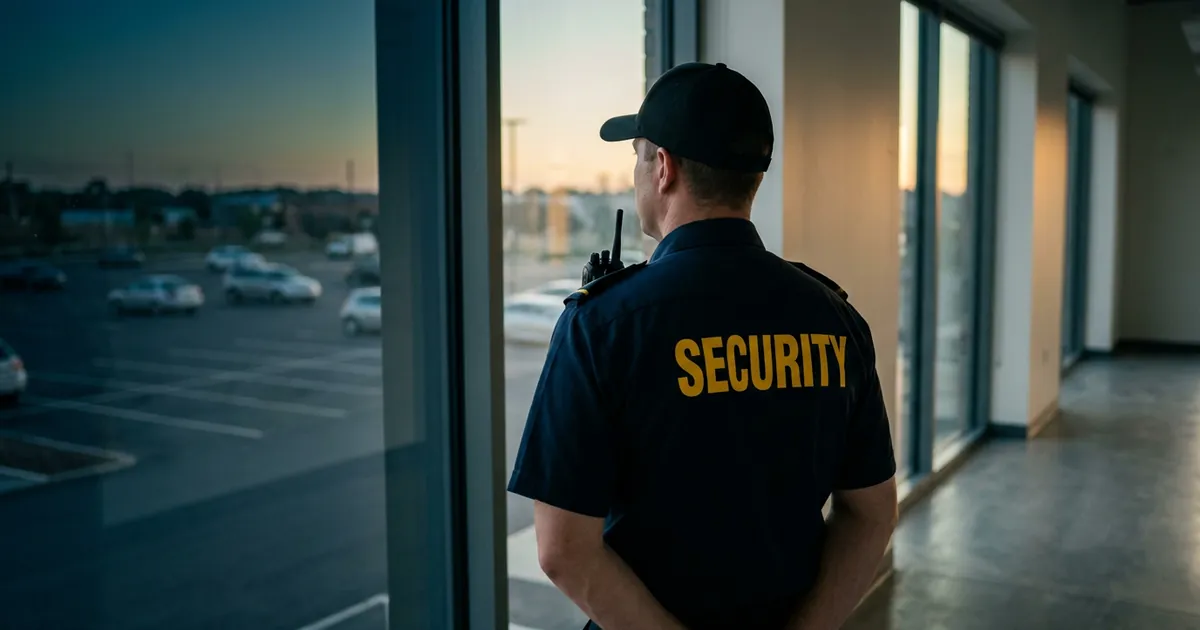
A security guard no call no show is when an officer misses a shift without telling anyone. The post sits empty, the officer going off duty is stuck and the client may notice before you do. A good plan has three parts: find out fast, cover the post, and deal with the cause so it does not happen again.
Key points#
- Most of the damage from a no call no show happens in the first hour, so the goal is to know before the shift starts, not after the client calls.
- Keep a short, ranked list of who covers each post: standby officers, part-timers trained on the site, then a supervisor.
- Tell the client early and plainly when a post is late or uncovered, with the time it will be filled.
- Treat a first no call no show as a conversation and a pattern as a policy matter, with the same written rules for everyone.
Why a no call no show hurts more than a call-off#
A call-off gives you warning. A no call no show gives you none, and it lands at the worst moment: the start of the shift, often at night or on a weekend.
Three things go wrong at once. The officer going off duty either stays past their shift or leaves the post empty. The supervisor drops everything to find cover. And the client, who pays for a filled post, may have a gap they never agreed to. Repeated gaps are one of the fastest ways to lose a contract.
Step 1: know before the shift starts#
The earlier you know, the more options you have. Build the warning into the schedule instead of waiting for a phone call.
- Confirm shifts ahead. Ask officers to confirm the next day's shift, and follow up with anyone who has not.
- Watch the clock-in. With late clock-in alerts, a supervisor hears about a missed start right away, not at the next site visit.
- Ask the outgoing officer to call it in. Post orders should say what to do when the relief officer is late, and who to call.
Step 2: cover the post#
Decide who covers each post before you need them. In the moment, nobody makes good choices.
- Standby or on-call officers. Some companies keep one officer on call per shift for a group of sites.
- Officers already trained on that site. A part-timer who knows the site beats a stranger who needs a full briefing.
- An open shift. Post the shift so qualified officers can claim it. Scheduling software can show who is free and not already near their weekly hours.
- A supervisor. The last resort, and a sign the bench is too thin.
Whoever covers the post needs the post orders for that site before they arrive, not a quick verbal summary at the door.
Step 3: tell the client#
Clients forgive a late relief they hear about. They do not forgive one they discover. When a post will be late or uncovered, call or message the client contact with three things: what happened, when the post will be filled and who is coming.
Then follow up in writing. A short note in the shift record or a message through the client portal shows the gap was handled, not hidden.
Step 4: talk to the officer#
Start with a conversation, not a penalty. Ask what happened. Sometimes the answer is a family emergency, a car breakdown or a phone that died, and the fix is a backup contact number.
Sometimes it is the schedule itself. Officers who were never told about a changed shift, or who are working too many hours, miss shifts. Check your own side before you blame the officer.
Step 5: write the policy down#
A written attendance policy protects you and treats every officer the same way. It should say:
- how and when an officer must report that they cannot work a shift;
- what counts as a no call no show;
- what happens after the first one and after repeated ones;
- that the policy applies to everyone, including long-serving officers.
Have each officer read and sign it during onboarding. Rules on discipline and ending employment differ by state, so check your policy with an employment attorney before you rely on it.
Step 6: look for the pattern#
One no call no show is an event. Several are a signal. Look at when they happen: the same site, the same shift, the same day of the week, or the first weeks after hiring.
A site that keeps losing officers may have a problem with the post itself, such as poor conditions or a difficult client contact. A shift that keeps going uncovered may need a different start time or a higher rate.
Frequently asked questions#
What is a no call no show for security guards?#
It is when an officer misses a scheduled shift without telling the company beforehand. In security work, it usually means a post is left uncovered or the outgoing officer has to stay past the end of their shift.
How should a guard company cover a no call no show?#
Use a ranked list decided in advance: an on-call or standby officer, then officers already trained on that site, then an open shift others can claim, and a supervisor as the last resort. Give the covering officer the site's post orders before they arrive.
Should a guard company fire an officer after one no call no show?#
That depends on your written policy and your state's rules. Many companies start with a conversation and a written warning, and save stronger steps for a pattern. Check your policy with an employment attorney.
How do you tell a client about an uncovered post?#
Tell them early, before they notice. Say what happened, when the post will be filled and who is coming, then confirm it in writing.
- Scheduling
- Operations
- Staffing