Construction site security
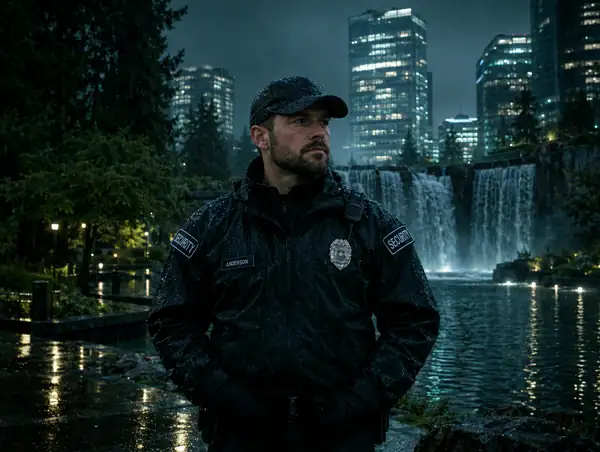
Guards who walk the fence line, log every delivery and keep tools, wire and machinery where your crew left them.
Rain or shine, the right guards for your site.
Need security guard coverage in Bellevue? Guardix helps businesses, property managers, organizations, and security companies connect their requirements with potential security providers.
Whether you need a dedicated post, overnight coverage, mobile patrol, or temporary event staffing, tell us where the work is, what needs attention, and when you want service to begin.
Starting rates only. Your final price comes in each provider’s written proposal.
Around Bellevue
Build your Bellevue request around the actual property and duties. Depending on the assignment, relevant details may include office lobbies, visitor appointments, and residential community access. Define reception expectations and the approval process for unannounced visitors.
Tell us which responsibilities must happen at the same time and which require a continuously staffed post. A clear coverage plan helps you compare proposals for the same assignment.
Under Chapter 18.170 RCW, security companies must hold a private security company license from the Washington State Department of Licensing (DOL). Every guard needs a DOL private security guard license: at least 8 hours of pre-assignment training and a passed DOL exam before working, post-assignment training after licensing, and 8 hours of refresher training every year. A temporary card allows unarmed work only. Armed guards need an armed endorsement, which requires a firearms certificate from the Criminal Justice Training Commission (an 8-hour firearms class plus qualification, renewed every year); a Concealed Pistol License does not replace it. Check licenses through DOL before service begins.
Around town
The places, roads and industries that shape security work in Bellevue. Mention the area of your property in your request.

What we cover
Security services for Bellevue businesses and organizations. Choose one to learn what it covers, or start a quote for it.
Guards who walk the fence line, log every delivery and keep tools, wire and machinery where your crew left them.
Officers at the truck gate, the dock doors and the trailer yard, so freight leaves with the right driver.
A friendly, visible officer at the entrance and in the lot, so shoppers feel safe and staff aren’t on their own.
Calm, trained officers for emergency entrances, visitor desks, garages and night-shift staff walking to their cars.
Officers who know the school’s rules: front-door check-in, drop-off traffic, after-school events and empty campuses at night.
Strict, round-the-clock access control: every badge, every visitor and every door checked and written down.
Screening and visitor control for public buildings that need to stay open to the public and still be safe.
A steady presence in the lobby at opening and closing, and support when cash is moving.
A welcoming front desk, careful visitor check-in and quiet floors checked after everyone goes home.
Night patrols of garages, gates, mail rooms and pools, so residents notice a calmer community.
Quiet guest floors, a safe lobby and help for front-desk staff on busy nights.
Night patrols of the lot, the service bays and the key room, so cars, parts and catalytic converters stay put.
Entry checks, crowd flow and calm help for concerts, festivals, games and private events.
Door staff who check IDs, keep the count and calm things down before they boil over.
Discreet protection for leaders, visitors and families, planned around each trip and event.
Trained fire watch patrols when alarms or sprinklers are down, with timed rounds and a written log.
Marked patrol cars visiting your property several times a night, at times nobody can predict.
Licensed armed officers for sites where you and the provider agree armed coverage is right.
Request a professional presence for entrances, reception, visitor check-in, access control, observation, and agreed patrols. Explain the responsibilities so a responding company can propose appropriate staffing and supervision.
Request coverage using appropriately authorized armed personnel. Describe the property and duties so the provider can assess the assignment and confirm the necessary company and officer qualifications.
Request defined property checks for parking areas, building exteriors, gates, and other agreed locations. Ask about visit frequency, documentation, exceptions, and incident escalation.
Request evening, overnight, weekend, or continuous service. The proposal should explain shift changes, relief, supervision, and the response to an officer absence.
Request coverage for an event, project, seasonal need, or temporary change in operations. Include the dates, operating conditions, access points, and responsibilities that need attention.
Share the location, duties, hours, requested start date, and any special conditions.
Guardix helps identify companies to consider. Each responding provider confirms its capabilities and availability.
Compare staffing, supervision, qualifications, reporting, insurance evidence, pricing, and written terms before selecting a company.
Most Washington sites run with unarmed guards. Armed coverage is something you and the provider agree on after looking honestly at the site and its risks.
Post orders tell each guard exactly what your site expects. Clear ones make every proposal easier to compare.
Your quote depends on the site, the hours and the duties. Use these starting rates to plan before proposals come in.
| Service | Starting at | Notes |
|---|---|---|
| Unarmed officer | From $25 an hour | Standing posts, access control, patrols |
| Armed officer | From $32 an hour | Guards with an armed license and firearms certification |
| Event security | From $30 an hour per officer | Often with a minimum of about 4 hours per officer |
| Personal protection | From $70 an hour | Protection agents from DOL-licensed companies |
| Fire watch | From $25 an hour | Patrols while fire systems are out of service |
| Mobile patrol | Priced per visit | Depends on visits per night and drive time |
Starting rates. Billing rates cover the officer’s pay plus payroll taxes, insurance, licensing, supervision and company overhead. Your price depends on your site, schedule and duties, and comes from the provider’s written proposal.
Armed posts cost more because of licensing, training and insurance.
Overnight, weekend and holiday hours, and 24/7 coverage, raise the total. One 24/7 post needs about 730 officer hours a month.
Each additional post or patrol adds officer hours, and large sites may need a supervisor.
Ongoing contracts are usually priced lower per hour than one-day or short-notice coverage.
Specialized duties, high-value goods or busy public sites can raise the rate.
Supervision, reporting software, vehicles and equipment may be included or billed separately.
Before you sign
Verify the Washington DOL private security guard company license. The company credential and ordinary or armed employee licenses are distinct. Covered guards working for a licensed company need the applicable Washington individual license and must satisfy employer-linked and training conditions. Use the state and local FAQs below to plan your checks. Confirm the actual service, company authorization, assigned personnel, and any armed or specialized-site conditions before service begins.
Look up the company’s Washington DOL private security guard company license and match its legal name and status.
Ask for each guard’s DOL security guard license and training record (8 hours before work, 8 hours of refresher every year). For armed posts, confirm the armed endorsement and a current CJTC firearms certificate.
Request proof of general liability and workers’ compensation coverage, and ask whether you can be named as an additional insured.
Talk to clients with similar properties, and ask how long they have used the company.
Find out who checks on officers, how often, and who you call at 2 a.m. when something goes wrong.
Make sure the proposal covers post orders, staffing, rates for holidays and overtime, how absences are covered, reporting, and how to end the contract.
Knowing what happened during a shift matters. Include Guardix-enabled reporting in your request if you want digital reports and operational visibility.
Ask responding companies about patrol records, attendance information, incident reports, and client portal access. You can also request relevant AI-assisted reporting or workflow features where available in the provider’s setup. Confirm what is included and who reviews the information.
50 answers for Bellevue buyers, grouped by topic.
Describe the parts of your site that need coverage and the duties to be performed. Planning examples on this page include office lobbies, visitor appointments, and residential community access. Give your actual address, schedule, officer count if known, and requested start date so a provider can assess your assignment.
Use the applicable Washington provider and personnel framework, then ask about the exact municipality, facility, duties, and any specialized appointment. The provider should identify the actual Bellevue service address rather than relying only on a regional marketing description.
Define reception expectations and the approval process for unannounced visitors. Ask the company to reflect that responsibility in its staffing plan and written scope.
Describe your property, schedule, responsibilities, and requested start date. Guardix helps connect that request with potential security providers. Each responding company confirms its capabilities and availability and explains the services it can offer.
The selected security company provides the officers and manages the agreed service. Its proposal should identify the business responsible for staffing, supervision, insurance, reporting, and delivery. Confirm the contracting parties before signing.
No. The form requests contact and proposals. Staffing, price, duties, and the start date must be confirmed through the necessary provider arrangements and service agreement before coverage begins.
Responses depend on provider participation, location, requested duties, timing, and availability. Guardix does not promise a fixed number of quotes or an immediate response. Include a realistic deadline and the best contact method.
Your request is shared with Guardix and security companies being considered for the assignment, as explained when you submit. Review the privacy notice and request-sharing acknowledgment. Keep alarm codes, passwords, and sensitive personal records out of the initial form.
Pricing depends on the assignment, officer qualifications, staffing level, hours, equipment, supervision, and contract length. Request a written price for your actual requirements rather than relying on a generic city-wide hourly estimate.
Compare the same officer count, hours, duties, qualifications, supervision, reporting, equipment, and relief arrangements. Check minimum charges and exclusions. A lower hourly figure may cover a different service or leave important responsibilities outside the price.
Each provider sets its commercial terms, subject to applicable law. Ask for the minimum shift, minimum contract period, call-out charges, and any short-notice conditions in writing. Submitting this form does not establish a standard Guardix minimum.
They can depend on the proposal and agreement. Ask how the client is billed for those periods and for extra hours or schedule changes. An officer’s payroll overtime and the rate charged to your business are separate matters.
Ask the provider to identify included equipment and every separate charge. Clarify fuel, vehicle use, radios, site phones, reporting access, protective equipment, and any agreed camera service before comparing the total cost.
Review deposits, invoice frequency, payment deadlines, disputed-charge procedures, late charges, cancellation notice, early-termination terms, and rate adjustments. Obtain the actual written agreement; a quote request does not establish those terms.
Yes. Specify whether the need is one day, an event, a defined project, seasonal coverage, or ongoing service. Give the expected end date or renewal preference so a provider can explain availability and suitable terms.
Yes. List every day and time you need covered, including overnight start and end dates. Ask how the provider plans shift handovers, relief, breaks, supervision, and absences so the proposed staffing matches the coverage requested.
Select “As soon as possible” and provide your requested start time. The provider must confirm lawful staffing and readiness. This form does not dispatch an officer, guarantee same-day service, or replace emergency services.
Yes. Identify every site and its duties, schedule, and start date. A provider should confirm which locations it can serve, who supervises each site, and whether pricing and authorization differ across jurisdictions.
You can describe a subcontracting requirement in your request. Identify the principal company, service location, intended responsibilities, and required qualifications. Confirm the lawful company and officer arrangements, insurance, supervision, and contracting terms before any assignment.
Start with the property, duties, operating conditions, and risk concerns. Ask a qualified provider to explain its recommendation and the required authorizations. The choice should reflect the assignment and applicable restrictions as well as cost.
A dedicated post and periodic patrol visits provide different patterns of coverage. Define whether someone must remain continuously at an entrance or property, or whether agreed visits meet the requirement. Ask how visit timing and exceptions are documented.
Describe entrances, occupied areas, patrol routes, operating hours, visitor activity, and responsibilities that must happen at the same time. A provider can propose staffing. One officer cannot continuously occupy two separate posts simultaneously.
Define the work area, duties, authorized actions, patrols, access procedures, reporting, escalation contacts, shift handover, and restrictions. Have the provider confirm that the instructions are lawful, practical, understood by assigned officers, and consistent with the agreement.
A walkthrough can clarify access points, patrol distances, operating conditions, equipment, and simultaneous duties. Ask whether the proposal is preliminary or based on a site review and how changes discovered later would affect the scope and price.
They can involve additional screening, training, access credentials, facility restrictions, or legal appointments. Describe the actual site and duties. Ordinary private guard credentials do not automatically establish police, federal screening, medical, or other specialized authority.
Describe each requested responsibility and ask the provider to confirm lawful scope, training, staffing, and insurance. Clarify priorities when tasks overlap. Additional work must not prevent an officer from maintaining an agreed security post or performing essential duties.
Ask how the provider confirms required qualifications, screening, current training, and site readiness. Request appropriate confirmation through a secure process. A client generally does not need an officer’s medical records or full criminal-history report to review a proposal.
Request a current certificate of insurance and discuss required coverage, limits, exclusions, and endorsements with your insurance adviser. If additional-insured status is required, confirm the appropriate endorsement; the certificate alone does not amend the policy.
Ask for relevant experience, references it is authorized to share, supervision procedures, and examples of reporting. Check available official licensing or disciplinary information. A license is an authorization, not a guarantee of performance or a government endorsement.
Ask whether subcontracting or personnel changes are permitted and how you will be informed. Identify the business employing and supervising each officer. The agreement should address qualifications, required approvals, confidentiality, insurance, and accountability for the work.
No provider can eliminate every risk. Focus on a clear service scope, appropriate staffing, lawful procedures, supervision, reporting, and escalation. Evaluate the commitments in the written agreement rather than relying on an absolute protection promise.
Ask for the provider’s notification, escalation, relief, and replacement procedures. Agree who contacts your team, how a coverage gap is documented, and how billing is handled. Replacement timing must be confirmed rather than assumed.
Ask what attendance evidence is included, who reviews exceptions, and how you receive a missed-arrival alert. If digital records are offered, confirm their limits, access permissions, and how disputed times are investigated.
Yes. Ask who operates dispatch, when it is staffed, what it monitors, and how it escalates incidents or missed shifts. Around-the-clock dispatch support and a guard physically stationed at your property are different services.
Agree emergency contacts, notification thresholds, evacuation responsibilities, and when public emergency services must be called. Security duties must fit the officer’s authority and training. Contact emergency services directly for immediate danger; this quote form is not an emergency channel.
Request a proposed transition plan and review your existing notice obligations. Coordinate the start date, lawful staffing, post orders, keys, access permissions, emergency contacts, and records. Continuity depends on confirmed arrangements between the relevant parties.
Yes. Describe the checkpoints, visit frequency, evidence, and exceptions you want reported. Ask whether the provider supports those requirements and how incomplete rounds are handled. Agree appropriate photography and access rules for the site.
Agree the required facts, time, location, observations, actions, notifications, and supporting material. Identify urgent notification thresholds and review responsibility. Reports should distinguish direct observations from assumptions and protect personal or sensitive information.
Yes. Include that preference in your request. If the selected company uses Guardix and includes client access in the agreement, confirm which reports, site activity, and notifications it will share with your authorized users.
You can request a provider using relevant Guardix AI features where available in its setup. Ask which functions are included and who reviews the output. AI assistance does not replace an officer’s observations, provider supervision, or required human decisions.
Discuss the specific equipment, recording purpose, lawful notice or consent, permitted locations, access, retention, and disclosure process with the provider. Availability depends on its service. Do not assume a camera can record every conversation or restricted area.
Verify the Washington DOL private security guard company license. The company credential and ordinary or armed employee licenses are distinct.
Use the official resources from Washington State Department of Licensing and ask the issuing office to confirm the applicable current authorization. Match the legal contracting business, license category, status, and personnel requirements. A business registration or private certificate is not proof of every security authorization.
Covered guards working for a licensed company need the applicable Washington individual license and must satisfy employer-linked and training conditions.
Ask the provider to document completion of the required pre-assignment instruction and the training applicable to your license. Use a qualified trainer and the current DOL requirements.
Confirm the armed license and required firearms certification. An unarmed license or personal concealed-pistol license alone does not replace that process.
Before the agreed Washington start date, have the provider confirm the company’s applicable authority, the assigned personnel’s lawful status, and any training, armed, local, or facility conditions. Where a conditional route exists, ask the issuing authority to confirm its exact scope and conditions.
The relevant Washington framework follows the actual work and service category. Ask the provider to confirm additional local or facility conditions and any branch or employer updates. A credential from another state should not be assumed to authorize this assignment.
Record the provider’s actual credential categories, issuing authorities, expiry dates, and any required personnel or local approvals. Ask for notice of relevant changes and recheck current status through the official Washington resources. Required insurance and firearms qualifications may have separate dates.
Next step
Send one short request. Guardix passes it to DOL-licensed security companies, and each one replies with a written proposal.
Guardix helps connect quote requests with potential security providers. The selected provider delivers the agreed security service. Availability, qualifications, pricing, reporting features, and service terms must be confirmed for the actual assignment.